A vehicle is one of the largest financial investments the average person makes, yet it is also one of the fastest depreciating assets on the market. From the moment a new car leaves the dealership lot, its market value begins to decline. However, the rate at which a vehicle loses its value is not entirely out of your hands. While mileage and age are unavoidable factors, the overall physical, cosmetic, and mechanical condition of a car dictates where it sits on the resale spectrum.
When potential buyers—whether private individuals, used car dealerships, or trade-in appraisers—evaluate a vehicle, they look far beyond the odometer reading. They search for evidence of careful ownership, mechanical reliability, and pristine cosmetic condition. A well-maintained vehicle inspires immediate confidence, allowing sellers to command top dollar and close sales quickly. By understanding how systematic care protects your vehicle’s equity, you can transform routine maintenance from an annoying expense into a smart financial investment.
Maintaining Powertrain Health and Engine Performance
Protecting Vital Mechanical Systems to Command Top Market Prices
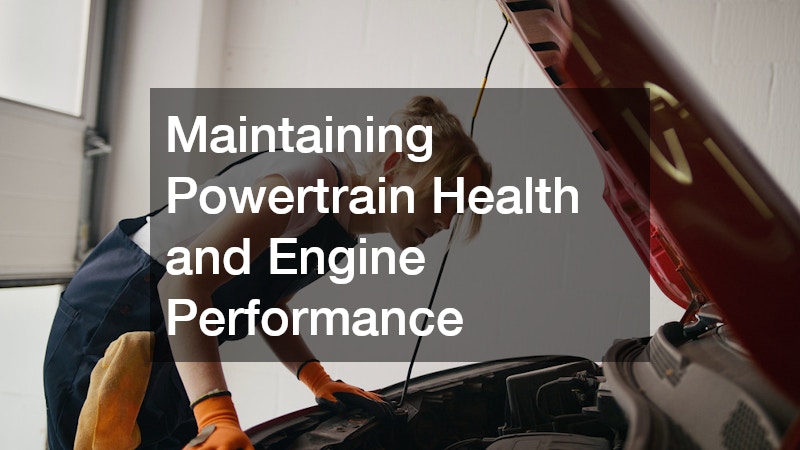
The engine and transmission represent the heart of any vehicle. Potential buyers are naturally cautious about hidden mechanical failures, as major powertrain repairs can easily exceed the value of an older car. Demonstrating that your engine has received consistent, high-quality care eliminates these concerns and provides a solid justification for a premium asking price.
Establishing a verifiable maintenance history starts with fundamental fluid management. Engine oil lubricates moving metal parts, carries away heat, and prevents the buildup of harmful sludge inside valve covers and oil galleries.
Skipping fluid changes allows contaminants to cause premature bearing wear and piston ring blow-by. Performing a routine oil change at manufacturer-recommended intervals—and saving every receipt—provides tangible proof that the engine has been protected from internal friction and thermal breakdown throughout its life.
- Document Every Service Event: Keep a dedicated folder containing date-stamped invoices for all fluid flushes, filter replacements, and belt changes.
- Address Fluid Leaks Immediately: Damp oil pans, leaking valve covers, or active transmission fluid drips signal neglect and trigger severe price reductions from buyers.
- Maintain Belts and Hoses: Replacing serpentine belts, timing belts, and radiator hoses before they fail prevents catastrophic engine overheating or internal valve damage.
When mechanical issues do arise, partnering with an established auto repair shop ensures that repairs are performed using quality OEM parts and recorded in national vehicle history databases like CARFAX. A clean digital record paired with physical service invoices reassures buyers that your car has been cared for by certified technicians, making it significantly easier to sell at full market value.
Ensuring Braking Safety and Passing Compliance Audits
Addressing Critical Safety Standards and State Compliance Checkpoints
When a prospective buyer takes your vehicle for a test drive, their impression is formed within the first few minutes behind the wheel. Unusual noises, steering wheel vibrations, or spongy pedal feel during stopping create an immediate negative reaction, prompting buyers to lower their offer or walk away entirely.
Brake maintenance is one of the most visible indicators of mechanical stewardship. Worn brake pads that squeal or pulsating rotors caused by uneven heat warping suggest that the owner has delayed basic maintenance.
Executing a timely car brake repair—including replacing worn friction pads, resurfacing or swapping rotors, and flushing old brake fluid—restores sharp, linear stopping performance. A firm brake pedal and quiet stopping reassure buyers that the chassis is completely safe and ready for the road without needing immediate post-purchase repairs.
In addition to mechanical safety, passing official environmental audits is essential for maintaining strong resale value. A glowing dashboard warning light or a failed state inspection signals underlying sensor, exhaust, or catalytic converter problems that frighten off potential buyers.
- Clear Diagnostic Trouble Codes: Never list a car with an active check engine light; resolve the root cause before presenting the vehicle to buyers.
- Verify System Monitors: Ensure all internal ECU readiness monitors are complete after clearing any diagnostic codes.
- Keep Official Test Certificates: Storing passing test records proves that the engine is burning fuel cleanly and efficiently.
Arranging an official emissions test prior to listing your car demonstrates that the exhaust and engine management systems meet all regulatory standards. Handing a buyer a fresh, passing inspection certificate proves that the vehicle can be registered immediately without unexpected repair costs.
Preserving Exterior Glass and Structural Body Panels
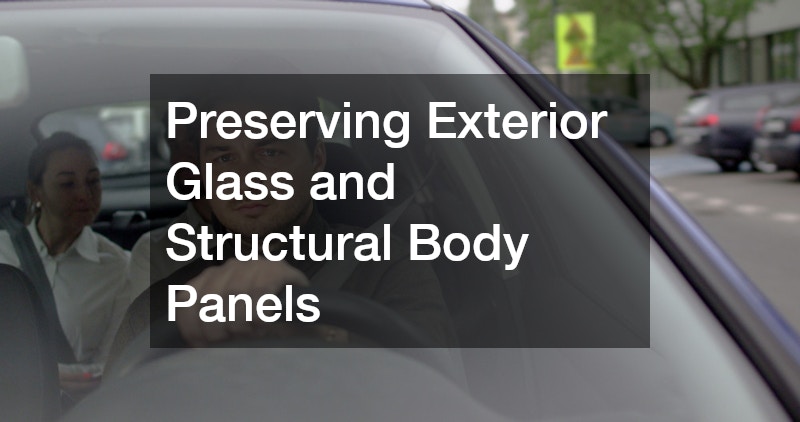
Eliminating Exterior Flaws and Maintaining Structural Glass Integrity
A car’s exterior is the first thing a buyer sees, making visual condition the single biggest factor in setting initial expectations. Dented body panels, chipped paint, and cracked glass convey a message of neglect, leading buyers to assume that the hidden mechanical components have been equally ignored.
Structural glass clarity is vital for both safety and aesthetic appeal. Pitted or cracked glass distracts drivers, impairs visibility, and weakens the vehicle’s structural cabin integrity during a rollover event.
If your glass has developed long stress cracks or severe rock chips in the driver’s line of sight, investing in a complete windshield replacement completely refreshes the front end of the vehicle. Fresh, crystal-clear glass immediately elevates the car’s visual appeal and eliminates a common point of negotiation for buyers looking to discount their offers.
Beyond glass, bodywork preservation requires proactive attention to minor paint and metal damage. Parking lot door dings, bumper scuffs, and road debris scratches degrade a vehicle’s curb appeal over time.
- Repair Paint Scratches Early: Deep scratches that penetrate the clear coat expose bare sheet metal to air and moisture, initiating rust formation that destroys body panels.
- Fix Bumper Misalignments: Loose or sagging plastic bumper covers make a vehicle look like it was involved in an unreported collision.
- Perform Paintless Dent Repair: Removing minor parking lot dings without repainting preserves original factory paint finishes.
Choosing auto body services to correct paint imperfections, realign bumper covers, and repair minor body damage yields an exceptional return on investment. Spending a small amount on cosmetic reconditioning often increases a vehicle’s final selling price several times the repair cost by presenting a crisp, well-cared-for exterior.
Enhancing Cabin Comfort and Protecting Interior Surfaces
Shielding Interior Materials from Solar Heat and Surface Degradation
While exterior condition attracts buyers, interior condition closes the deal. Drivers spend all their time inside the cabin, making interior cleanliness and surface preservation crucial for maintaining high resale value. A pristine interior with fresh smells and intact upholstery commands a massive premium over a neglected cabin with torn seats, cracked dashboards, and faded trim.
Sunlight is one of the most destructive forces acting on vehicle interiors. Intense ultraviolet rays and thermal heat break down vinyl, dry out leather, and cause plastic dashboards to crack.
Installing high-quality window tinting creates an effective barrier against solar radiation. Modern window films block a high percentage of ultraviolet rays and infrared heat, preserving original dashboard plastics, preventing leather seat cracking, and keeping cabin temperatures comfortable during hot summer months.
- Select Ceramic Film Technology: Ceramic window films offer superior heat rejection without requiring dark, illegal glass shades that might deter conservative buyers.
- Protect Factory Leather and Vinyl: Solar protection keeps factory leather supple, preventing unsightly bolster cracking and seam splitting.
- Preserve Electronics and Displays: Reducing internal cabin temperatures prevents digital gauge clusters and infotainment touchscreens from overheating and failing prematurely.
Sourcing professional car window tinting services ensures that the film is applied without air bubbles, purple discoloration, or peeling edges. Clean, professionally tinted glass adds a sleek, modern aesthetic to the vehicle’s profile while safeguarding high-value interior materials from irreversible sun damage.
Verification, Pre-Sale Audits, and Service Partnering

Obtaining Clean Safety Reports and Selecting Trusted Maintenance Partners
When preparing to sell a vehicle for top dollar, third-party verification is your most powerful sales tool. Buyers naturally approach seller claims with skepticism, but independent documentation provides unbiased proof of a vehicle’s mechanical and structural condition.
Conducting a comprehensive pre-sale inspection provides complete transparency. Bringing your car to a neutral garage for an objective assessment allows you to fix minor flaws before listing or present a clean bill of health directly to prospective buyers.
- Obtain an Itemized Inspection Report: A professional report covering tire tread depth, brake thickness, fluid quality, and suspension health builds instant trust.
- Fix High-Priority Recommendations: Addressing minor mechanical flaws identified during the vehicle inspection prevents buyers from using those items as aggressive bargaining chips.
- Leverage Independent Documentation: Presenting a fresh, written inspection report reassures out-of-state or remote buyers who cannot inspect the vehicle in person.
Choosing reputable, high-rated auto shops for all routine maintenance and pre-sale preparations ensures that every service entry is logged accurately into industry databases. Establishing a relationship with professional service providers ensures your vehicle receives expert care, clean record-keeping, and the structural verification needed to achieve maximum value when it comes time to trade in or sell.
Strategic Timing for Pre-Sale Vehicle Reconditioning
To maximize your return on investment when selling a pre-owned vehicle, execute a structured pre-sale reconditioning plan four to six weeks before listing the car for sale:
- Weeks 4 to 6 Before Listing: Schedule a comprehensive professional mechanical inspection to evaluate key vehicle systems. Complete all overdue engine, transmission, and differential fluid flushes, and repair any minor mechanical flaws noted by your technician.
- Weeks 2 to 3 Before Listing: Address exterior cosmetic bodywork, fix paint dings, and take care of glass cracks or windshield replacement. Complete required state safety checks and emissions audits during this window so all documentation is up to date.
- Week 1 Before Listing: Perform a deep interior detailing, including vacuuming, carpet extraction, and leather conditioning. Finally, gather and organize all physical service records and invoices into a clean, presentable binder for prospective buyers to review.
Executing repairs in this specific sequence prevents newly detailed surfaces from being soiled during heavy mechanical work and ensures all service documentation is organized cleanly before potential buyers arrive.
Calculating the Financial Return of Regular Maintenance
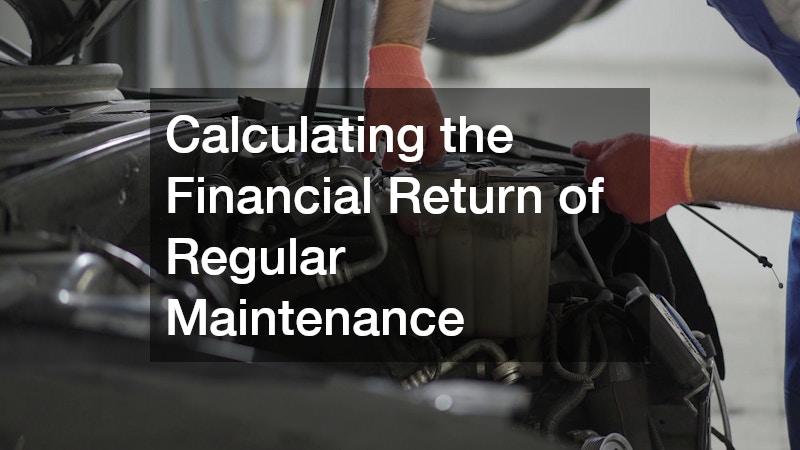
Some vehicle owners hesitate to invest in routine upkeep, viewing maintenance as an unnecessary drain on their monthly budget. However, analyzing the financial difference between a well-maintained vehicle and a neglected one at resale reveals that proactive care pays for itself.
The True Cost of Neglect vs. Maintenance
Consider two identical vehicles purchased in the same model year with 80,000 miles on their odometers:
- Vehicle A (Proactively Maintained): Receives timely fluid changes, prompt brake service, glass repair, and interior solar protection. The owner spends approximately $600 per year on routine care over five years ($3,000 total). At resale, the vehicle qualifies for “Excellent” condition tier pricing, commanding top market value.
- Vehicle B (Neglected): Misses service intervals, has worn brakes, cracked glass, faded interior trim, and active fluid leaks. The owner saves $3,000 in routine maintenance over five years. However, at resale, the vehicle drops to “Fair” or “Poor” condition tiers, requiring steep discounts for impending repairs.
When both vehicles enter the pre-owned market, Vehicle A consistently commands $5,000 to $7,000 more than Vehicle B in private sales or trade-in valuations. The proactive maintenance performed on Vehicle A not only paid for itself entirely but yielded thousands of dollars in preserved equity.
Maximizing Trade-In Value at Dealerships
While private sales often yield the highest absolute dollar amount for a used vehicle, many owners prefer the convenience of trading in their car at a dealership. Dealership appraisers examine vehicles with a critical eye, quickly calculating the reconditioning costs required to make the car lot-ready.
Every mechanical defect, worn tire, scratched panel, or cracked windshield reduces your trade-in offer by the dealership’s retail repair rate, which is significantly higher than what you would pay to fix those items independently.
By presenting a vehicle that requires zero reconditioning—with fresh fluids, clean glass, excellent tires, and documented service history—you eliminate the appraiser’s leverage. Dealers can place a fully reconditioned, clean-history vehicle directly onto their pre-owned sales lot, allowing them to offer you top wholesale or near-retail trade-in credit.
The Lasting Value of Automotive Stewardship
Protecting your car’s overall resale value is not about performing a flurry of expensive, last-minute repairs right before you put up a “For Sale” sign. True equity preservation is the cumulative result of consistent, disciplined stewardship throughout your entire period of ownership.
By taking care of essential mechanical systems, resolving minor safety and compliance issues, protecting exterior paint and glass, and shielding interior materials from environmental degradation, you preserve both the functionality and the aesthetic appeal of your vehicle.
When you treat your vehicle as a valuable financial asset, you enjoy a safer, more reliable ride every day—and reap substantial financial rewards when it comes time to unlock its remaining equity.