Buying and customizing a truck is a process that blends practical decision-making with personal expression. Whether you’re purchasing your first pickup or upgrading to something more capable, the right approach ensures you end up with a vehicle that supports your lifestyle, workload, and long-term goals. From evaluating performance and configurations to planning upgrades and maintenance, every step plays a role in maximizing value and usability. Taking the time to think through each decision reduces the risk of costly mistakes later on. A well-planned purchase also gives you a stronger foundation for future customizations.
Understanding Your Truck Needs and Lifestyle

Daily Driving vs. Work Applications
The first step in choosing the right truck is understanding how it will be used day to day. For commuters, comfort, fuel efficiency, and maneuverability may take priority over raw power. In contrast, those using a truck for work will likely focus on durability, payload capacity, and reliability under demanding conditions. Identifying your primary use case prevents overspending on unnecessary features or underestimating what your truck needs to handle. This clarity also helps narrow down the wide range of available models and trims.
Off-Roading and Adventure Use
If your plans include off-road driving or outdoor exploration, you’ll need a truck equipped for rugged terrain. Suspension systems, drivetrain options, and ground clearance all become critical considerations when venturing beyond paved roads. Adventure-focused buyers should also think about how their truck will support gear, navigation tools, and extended trips in remote areas. Features like skid plates and all-terrain tires can make a meaningful difference in performance. Planning for these needs upfront ensures your truck is ready for challenging environments.
Towing and Hauling Requirements
Towing and hauling capabilities are often the defining features of a truck. Understanding weight limits, hitch compatibility, and braking systems is essential before making a purchase. Whether you’re transporting equipment or recreational gear, matching your truck’s capabilities to your expected loads ensures both safety and performance. Overloading a truck can lead to mechanical issues and safety risks. Taking time to calculate your needs helps you avoid these problems.
Setting a Realistic Budget
Upfront Purchase Costs
The sticker price of a truck is only part of the financial equation. Taxes, registration fees, and dealership add-ons can quickly increase the total cost beyond initial expectations. Buyers should account for these expenses early to avoid surprises and ensure they stay within budget. Negotiating with dealerships can also help reduce some of these costs. A clear understanding of total pricing allows for more confident decision-making.
Long-Term Ownership Expenses
Fuel, maintenance, and depreciation all contribute to the true cost of ownership. Larger trucks with more powerful engines may offer better performance, but they often come with higher operating costs. Insurance premiums, repair costs, and routine servicing should all be factored into your long-term budget. Ignoring these ongoing expenses can strain finances over time. Planning ahead ensures your truck remains an asset rather than a burden.
Financing and Insurance Considerations
Financing options can significantly affect how much you ultimately pay for your truck. Interest rates, loan terms, and down payments should all be evaluated carefully before signing any agreement. Additionally, insurance premiums vary depending on the truck’s size, value, and intended use. Comparing quotes from multiple providers can lead to substantial savings. Making informed financial decisions early sets you up for long-term stability.
Choosing Between New and Used Trucks
Pros and Cons of New Models
New trucks come with the latest technology, full warranties, and no previous wear and tear. They offer peace of mind and often include advanced safety features that may not be available in older models. However, they typically come with a higher price tag and faster depreciation. Buyers should weigh the benefits of reliability against the higher upfront cost. For many, the added security justifies the investment.
What to Look for in Used Trucks
Used trucks can provide significant savings, but they require a more careful inspection. Checking service history, mileage, and signs of damage is essential before making a purchase. Buyers should also consider having a trusted mechanic evaluate the vehicle to uncover hidden issues. Paying attention to wear on key components can prevent future repairs. A thorough evaluation reduces the risk associated with buying used.
Certified Pre-Owned Options
Certified pre-owned trucks offer a middle ground between new and used vehicles. These trucks are inspected, refurbished, and backed by manufacturer warranties, providing additional assurance. While they cost more than standard used vehicles, they still offer savings compared to new models. This option appeals to buyers who want reliability without paying full price. It’s a practical compromise for many truck owners.
Evaluating Engine Types and Performance
Gas vs. Diesel Engines
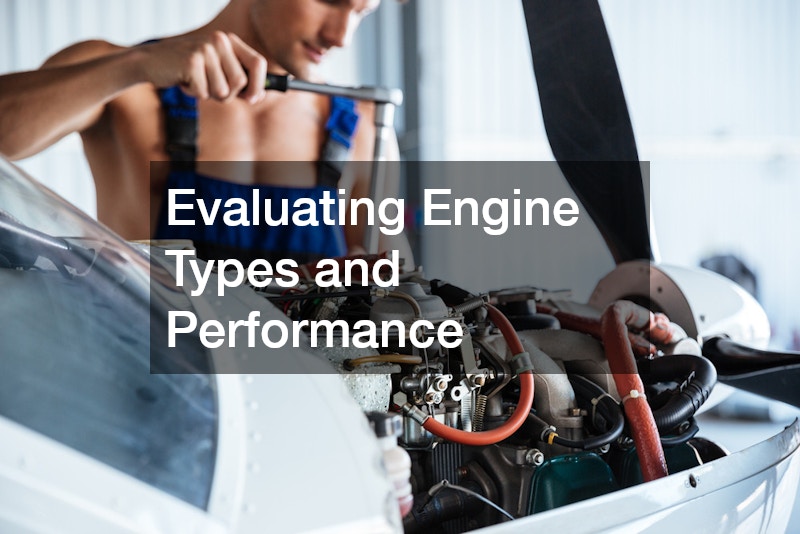
Choosing between gas and diesel engines depends largely on how the truck will be used. Gas engines are typically more affordable upfront and easier to maintain over time. Diesel engines, on the other hand, excel in towing capacity and fuel efficiency for long-distance driving. Each option comes with trade-offs that should align with your specific needs. Understanding these differences helps you make a more informed decision.
Horsepower and Torque Explained
Horsepower and torque are key indicators of a truck’s performance capabilities. While horsepower influences speed and acceleration, torque determines how effectively a truck can move heavy loads. Buyers should consider both metrics when evaluating different models. Ignoring one in favor of the other can lead to an imbalanced choice. A well-rounded understanding ensures better performance outcomes.
Fuel Efficiency and Emissions
Fuel efficiency is an increasingly important consideration, especially for those who use their truck frequently. Advances in engine technology have improved mileage without sacrificing power. Buyers should also be aware of emissions standards and how they may impact long-term ownership. Environmental regulations can vary by region and influence your options. Factoring in efficiency can lead to significant savings over time.
Cab Styles and Interior Configurations
Regular, Extended, and Crew Cabs
Truck cabs come in several configurations, each offering different levels of space and practicality. Regular cabs are compact and ideal for solo drivers or minimal passenger needs. Extended and crew cabs provide additional seating and comfort for families or work crews. Choosing the right configuration depends on how often you carry passengers. This decision directly impacts overall usability.
Interior Features and Comfort
Modern trucks offer a wide range of comfort features, from premium seating materials to advanced climate control systems. These elements can make a significant difference in daily driving, particularly for long commutes. Buyers should prioritize features that align with their comfort preferences. Small upgrades can greatly enhance the overall experience. Investing in comfort often improves long-term satisfaction.
Technology and Infotainment Systems
Infotainment systems have become a central part of the driving experience. Touchscreens, navigation, and smartphone integration enhance convenience and connectivity. Many owners also explore aftermarket upgrades to further personalize their setup. Investing in high-quality car audio can significantly improve sound clarity and overall enjoyment. This is especially valuable for drivers who spend extended time on the road.
Bed Options and Utility Features
Standard vs. Specialty Bed Designs
Truck beds are designed with a variety of uses in mind, making it important to choose the right type. Standard beds offer versatility for everyday tasks, while specialty designs cater to specific industries or activities. An important part of this decision is truck body selection, which determines how well your vehicle aligns with your intended use. Buyers should evaluate how often they’ll need to transport large or unusual items. The right bed design can improve efficiency and reduce hassle.
Storage Solutions and Accessibility
Built-in storage compartments, toolboxes, and bed extenders can improve organization and accessibility. These features are especially valuable for professionals who rely on their trucks for daily operations. Efficient storage reduces time spent searching for tools and equipment. It also helps maintain a cleaner and more organized workspace. Investing in these solutions enhances productivity.
Matching Bed Configurations to Your Needs
Choosing the right setup often comes down to how you plan to use your truck. For heavy-duty applications, truck flat beds provide a flexible platform that accommodates oversized loads. This configuration simplifies loading and unloading, particularly in commercial settings. It also allows for greater customization compared to traditional beds. Selecting the right configuration ensures your truck performs efficiently in real-world scenarios.
Exterior Customization and Protection

Paint Options and Finishes
Customizing your truck’s exterior begins with selecting the right paint or finish. Options range from standard factory colors to more unique custom coatings. These choices allow owners to create a distinctive appearance that reflects personal style. High-quality finishes also provide added protection against environmental damage. Investing in the right finish can preserve your truck’s value.
Durability Enhancements for Longevity
Beyond aesthetics, protective treatments can extend the life of your truck’s exterior. Applying powder coating to key components helps resist wear, corrosion, and harsh environmental conditions. This process is especially useful for parts exposed to frequent use or extreme weather. It adds a layer of durability that standard finishes may not provide. Over time, this investment can reduce maintenance costs.
Preventative Measures Against Wear and Corrosion
Exposure to moisture, salt, and debris can lead to long-term damage if left unaddressed. Investing in rust proofing helps protect critical components from corrosion. This is particularly important for trucks used in regions with harsh winters or coastal environments. Preventative measures can significantly extend the lifespan of your vehicle. Taking action early helps avoid expensive repairs later.
Interior Upgrades and Personalization
Enhancing Comfort and Materials
Upgrading interior materials can significantly improve the overall driving experience. Leather seating, upgraded trim, and ergonomic adjustments all contribute to a more refined cabin. These changes can make long drives more comfortable and enjoyable. They also add personalization to your vehicle. Investing in comfort upgrades often pays off over time.
Entertainment and Sound System Improvements
Entertainment upgrades go beyond factory-installed systems and allow for deeper customization. Enhanced speakers, amplifiers, and subwoofers create a richer audio environment. Drivers can tailor their setup to match their listening preferences. These upgrades are particularly valuable for those who spend significant time in their truck. A well-designed system enhances both comfort and enjoyment.
Practical Add-Ons for Daily Use
Small additions can make a big difference in everyday convenience. Features like organizers, charging ports, and upgraded controls improve usability. These upgrades help keep the interior functional and clutter-free. Thoughtful additions can streamline daily routines. Over time, they contribute to a more efficient driving experience.
Functional Add-Ons for Work and Travel
Towing Accessories and Equipment
For those who rely on their trucks for hauling, investing in the right towing equipment is essential. Hitch systems, brake controllers, and reinforced components ensure safe operation under heavy loads. These upgrades are particularly important when working with trailers of varying sizes and weights. Proper equipment reduces strain on the vehicle and improves overall safety. Careful planning helps prevent costly mistakes.
Expanding Storage and Living Capabilities
Trucks can also serve as mobile living spaces for travel and recreation. Adding new campers allows owners to transform their vehicle into a versatile setup for extended trips. This upgrade is ideal for outdoor enthusiasts and frequent travelers. It provides both convenience and flexibility on the road. With the right setup, your truck becomes more than just transportation.
Security and Convenience Features
Modern upgrades often focus on improving both security and ease of use. Advanced locking systems and remote access features add an extra layer of protection. Professional key services can help with replacements, programming, and emergency access. These solutions ensure that your vehicle remains secure and accessible at all times. Investing in security features provides long-term peace of mind.
Maintenance, Care, and Long-Term Value

Routine Maintenance Best Practices
Regular maintenance is critical to keeping your truck in optimal condition. Oil changes, tire rotations, and routine inspections help prevent major mechanical issues. Staying on top of maintenance schedules extends the life of your vehicle. It also improves performance and reliability over time. Consistency is key to avoiding unexpected breakdowns.
Protecting Appearance Over Time
Maintaining your truck’s appearance requires consistent care and attention. Professional auto detailing helps preserve both the interior and exterior surfaces. This process removes contaminants and restores the vehicle’s finish. Regular detailing can also protect against long-term wear and fading. Keeping your truck clean supports both aesthetics and resale value.
Legal and Compliance Considerations
Certain modifications must comply with local laws and regulations. For example, windshield tinting may be restricted depending on your location. Failing to follow these rules can result in fines or required changes. It’s important to research legal requirements before making modifications. Staying compliant ensures a smoother ownership experience.
Buying and customizing a truck involves more than just selecting a model off the lot. It requires a strategic approach that balances performance, functionality, and personal preference. By carefully considering your needs, setting a realistic budget, and planning thoughtful upgrades, you can create a truck that delivers both immediate satisfaction and long-term value. Every decision, from initial purchase to ongoing maintenance, contributes to the overall ownership experience. With the right approach, your truck becomes a reliable and personalized asset for years to come.